Saturday, September 03, 2005

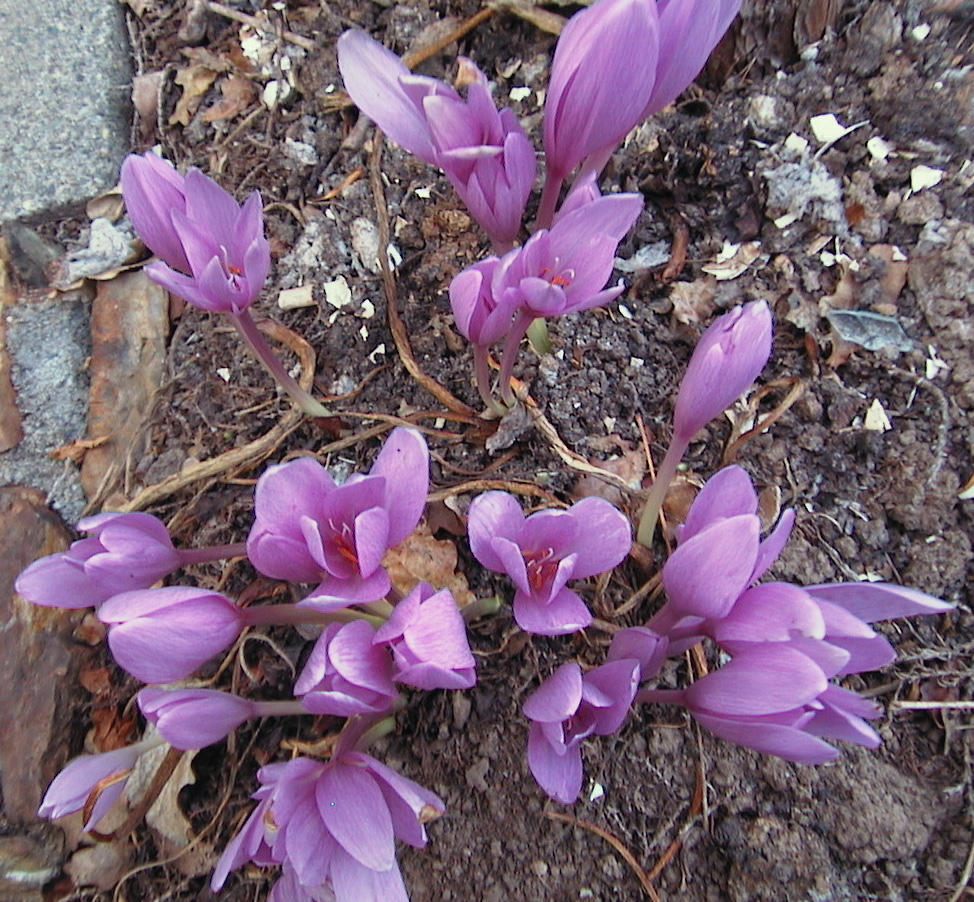
Fall Crocus


The Fall crocus are blooming. They look far better than this in real life. The plums are finished and all falling, quite a few into the pond. I some of them out. My frog was found floating, dead, on the surface a couple of days ago. I threw it out on the garden. This morning I was a large Raven flying over. The frog is gone. Nature takes care of things naturally. I wonder what frogs die of? Or maybe it got hit by a falling plum. or the pollution of its habitat by the plums. Hard to say. Could have been hit by the terrors from next door, if they saw it out of its water.

The news stories from southern US seem to be telling of people in worse and worse plight... fires, looting, no water or food, hospitals not running, no electricity, and flooding. Dreadfull. Buses finally arrived to take the people out. A hugh disaster complicated by slow mobilization of the help from the government. So sad.

Today I downloaded the Panda EXIF reader that I read about on Photosig. This works with firefox and IE on any digital photos that retain the EXIF data. Cool. The POW of this week does not have the EXIF, of course. HA!

Watered and fed the house plants yesterday. Still only one dendrobium and the African violets in bloom. The orchids look nice and healthy and clean, though.

Thursday, September 01, 2005

Climatic Changes - Pine Beetles & Fungus

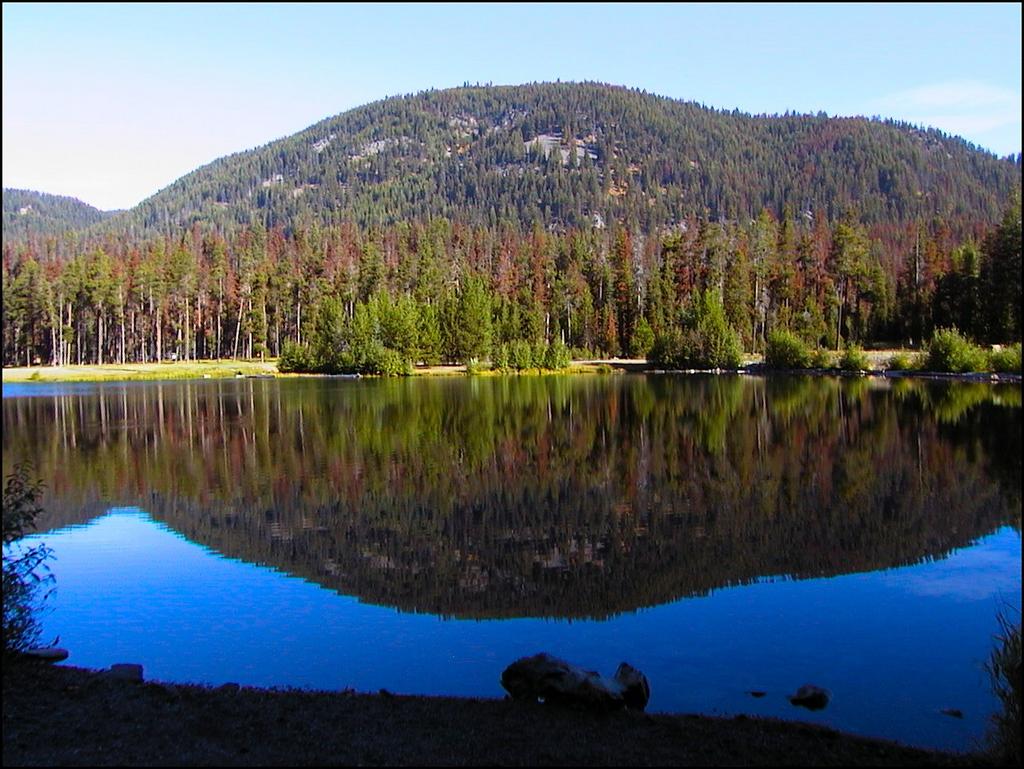
The brown areas you see are dead evergreen trees killed by an infestation of pine beetles. This is Lighting Lake, in the Manning Park Lodge area of B.C.

From the Times Colonist September 1, 2005

Fungus puts B.C. pines under siege

A common fungus has turned lethal and is killing pine trees in Western Canada in what researchers describe as a “globally unprecedented” epidemic associated with recent changes in the climate.

The fungus is killing plantations of lodgepole pine in the hardest hit areas of northwestern B.C. and is also affecting mature native trees, says Alex Woods a forest pathologist with the B.C. forest service.

In a report in the journal Bio Science today, Woods and his colleagues describe how the innocuous fungus has turned into a killer, aggravating problems in B.C. forest already devasted by pine beetles.

Researchers have long warned that climate changes linked to global warming could give pathogens and pests the upper hand. B.C.’s problems with pine beetles and now fungus are being held up internationally as evidence. “It shows how unpredictable the impacts of climate change can be”, says Woods. “Its’s sobering.”

Scientists say warm winters have allowed the pine beetle to multiply and spread at an unprecedented rate, killing vast tracts of forest in central B.C. The fungus, called Dothistroma septosporum, is flourishing in northwestern B.C. where Woods and his colleagues say wet summers have favoured its spread. The wet trend, which continues this summer has favoured the fungus, out-weighing any benefit the extra precipitation may have had on tree growth, they say.

Hurricane Katrina

In Katrina’s Wake

From the Times Colonist August 31,2005

La Place,La.
After enduring a lethal hurricane that had already been labeled “America’s tsunami”, New Orleans was plunged further into crisis Tuesday when flood waters poured through a gaping breach in a storm-damaged levee, leaving 80 per cent of the sunken city under water and forcing authorities to declare a state of martial law.
The emerging catastrophe in the storied Louisiana city came as one of the worst natural disasters in American history unfolded along the country’s Gulf Coast in the wake of hurricane Katrina.
At least 80 people and possibly hundreds more have been killed in Mississippi, Alabama and Louisiana while tens of thousands have been left homeless and stranded without food or water. Officials said dead bodies discovered Tuesday were being pushed aside as rescue workers concentrated on saving thousands of residents trapped by high water and crushed buildings in cities from New Orleans to Biloxi, Miss. And Mobile, Ala. The situtation was most critical Tuesday night in New Orlenas where rescue workers plucked as many as 1,200 residents from rooftops of homes surrounded by water. With water rising perilously inside the Superdome, the 20,000 refugees now huddled there would be evacuated within 2 days. Broken toilets have made for extremely unsanitary conditions.
With temperatures soaring near 33 C emergency supplies running low and the risk of disease growing, officials were preparing a plan to evacuate all of the city’s remaining residents. The City had no running water or electricity and virtually no communication network.
Entire neighbourhoods in the cities of Biloxi and Gulfport were either under water or flattened. An estimated 30 people died when an apartment complex collapsed amid a storm surge over six meters.
Amid the destruction and chaos, wide spread looting was reported, and the police, attending to life-threatening situations, could do little to respond. In New Orleans, looters waded through the flood waters, carrying as many clothes as they could. At a flooded Walgreens store, police officers took control of the building and themselves dispensed medicine, diapers and other essentials to a small crowd of would-be looters. Those bizarre scenes came as a growing desperation descended on New Orleans. City officials were coming to the grim realization that it was going to be a closed city for at least a month and perhaps far longer.